Back to Bruegel
Experience the 16th Century
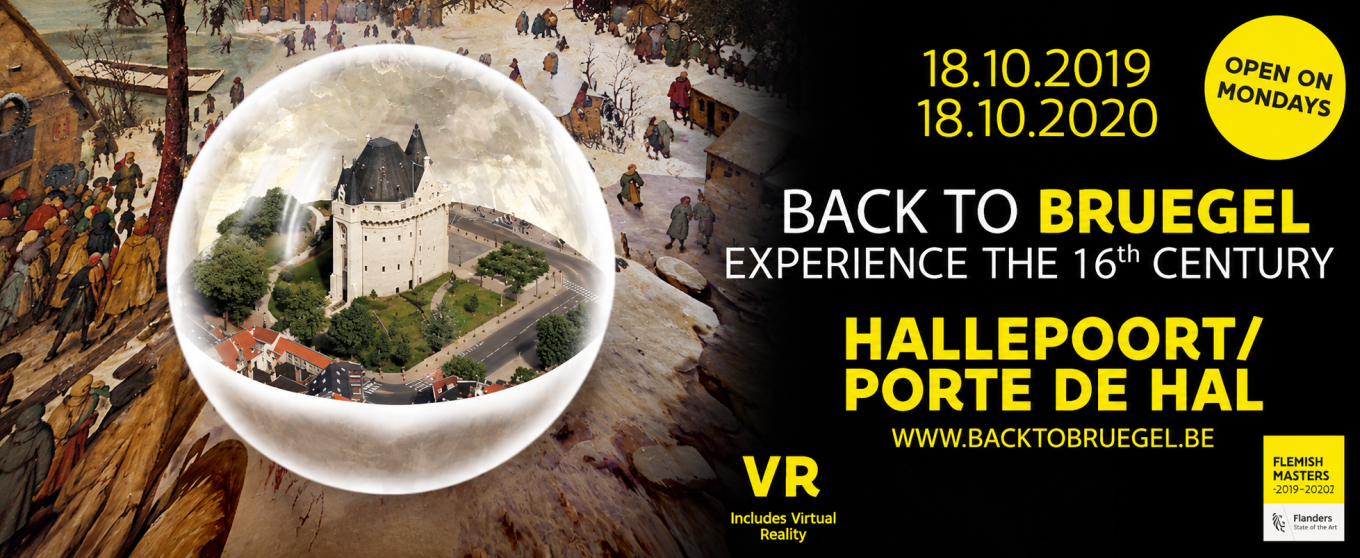
Back to Bruegel. Experience the 16th Century invites you to discover the 16th-century Low Countries, at the time of Pieter Bruegel. Hosted at the Halle Gate, this immersive exhibition explores a period marked by profound political, religious, economic and cultural transformations.
Through four themes – power and rebellion, religion and reform, travel and curiosities, celebrations and entertainment – discover everyday life and the major upheavals of the period through virtual reality, artworks, archaeological objects and sensory experiences.
Step into the 16th century
Using virtual reality headsets, visitors are immersed in four paintings by Bruegel, which come to life and illustrate each of the exhibition's themes. A dedicated VR space is also available for groups.
The journey continues through a selection of artworks and archaeological objects that shed light on the major transformations of the period.
Power and rebellion
Under Charles V and Philip II, the Low Countries experienced profound political, economic and religious tensions. Increasing taxation, the repression of religious dissent and conflicts within society contributed to the uprisings that marked this period.
Religion and reform
In the 16th century, religion played a central role in everyday life. Abuses within the Catholic Church and debates over faith fuelled reform movements, while tensions between Catholics and Protestants profoundly reshaped the Low Countries.
Travel and curiosities
Advances in navigation and the expansion of trade opened the Low Countries to the wider world. Voyages, discoveries and cartography transformed perceptions of distant lands. Antwerp and Brussels played an important part in this dynamic.
Celebrations and entertainment
Fairs, village festivities and religious celebrations shaped social life. These gatherings brought together all sections of society and offered opportunities for collective enjoyment. Pieter Bruegel was particularly interested in these scenes of popular life, which he immortalised in his paintings and engravings.
An experience for everyone
Virtual reality, artworks, archaeological objects and sensory experiences offer a lively and interactive introduction to the 16th century. The exhibition is available in six languages: French, Dutch, English, German, Spanish and Russian. A specially designed audio guide also allows younger visitors to enjoy the exhibition.
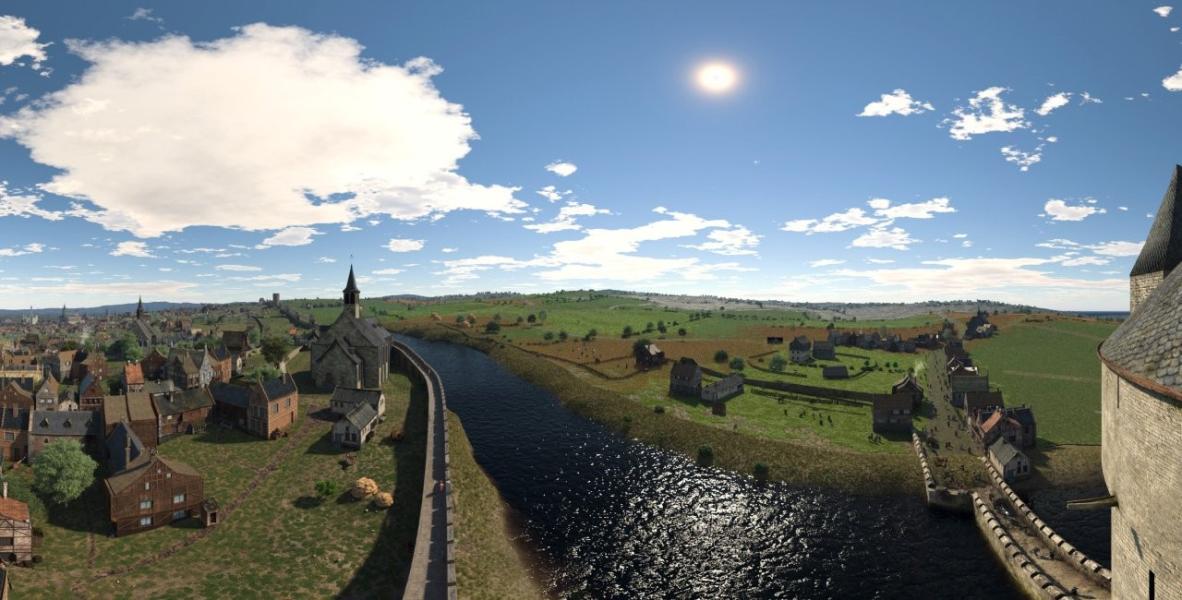
The rampart walkway of the Halle Gate offers a remarkable panorama of Brussels and its iconic landmarks. Telescopes provide a virtual evocation of the city in the 16th century, with its fortifications and the surrounding landscape as Bruegel would have known it.
The Halle Gate
The Halle Gate, a former city gate dating from the 14th century, is one of the last remnants of Brussels' medieval fortifications. Restored to welcome visitors, it provides an exceptional setting for this journey into history. Located in the neighbourhood where Pieter Bruegel lived and married, it offers a glimpse into both the artist's life and the history of the city.
In 2019, Brussels and Flanders celebrated Pieter Bruegel on the 450th anniversary of his death. Exhibitions and events highlighted his work and legacy. Back to Bruegel was part of these celebrations, offering an immersive exploration of his time.
Prices
- €12: standard admission
- €10: reduced admission
- €4: reduced admission
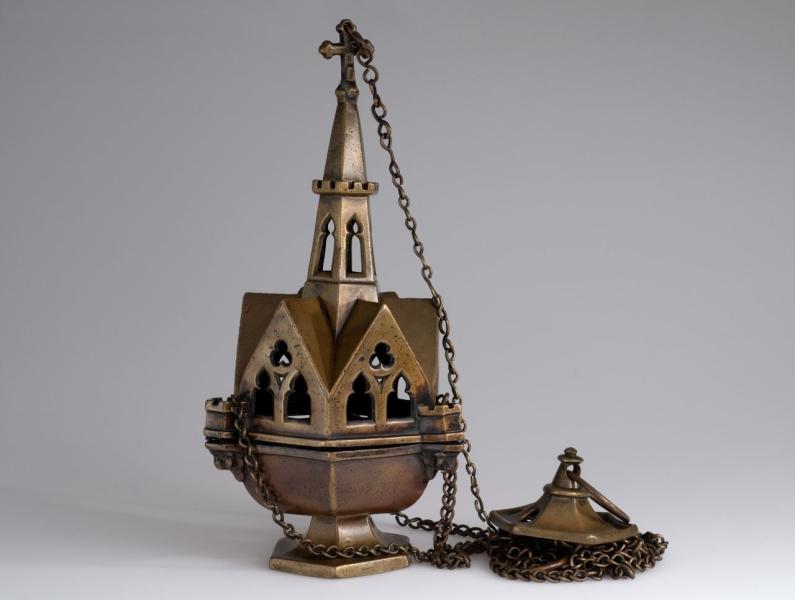
Turret monstrance, Southern Netherlands, around 1500-1550
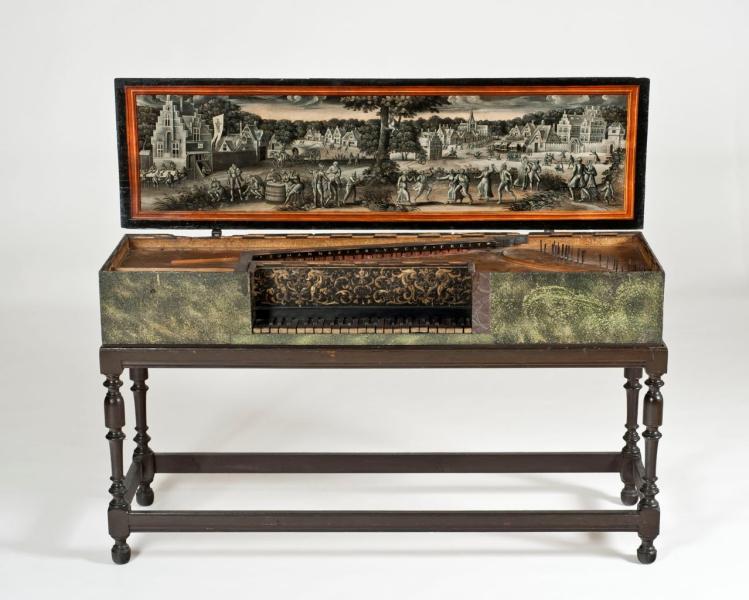
Virginal, Ioannes Grauwels, around 1560
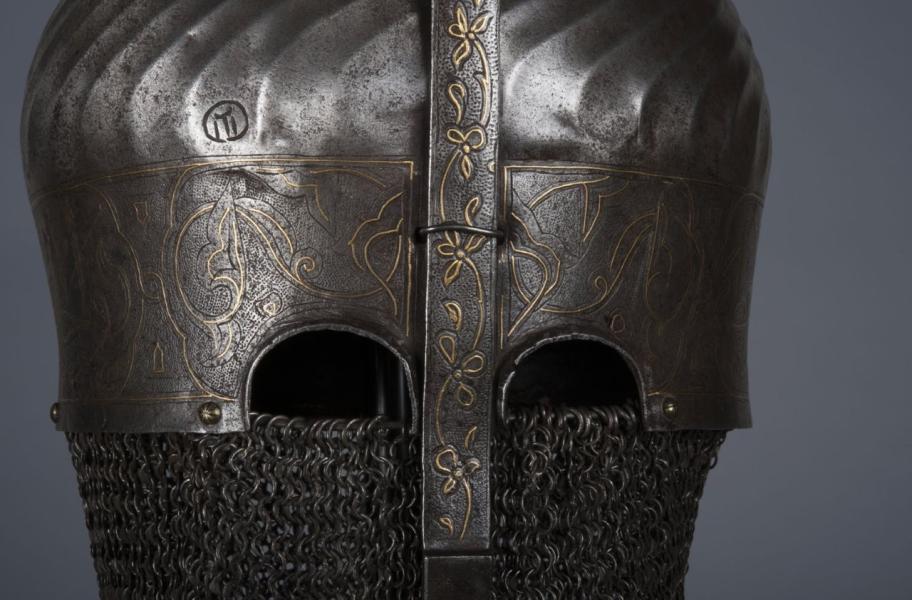
Ottoman helmet, 15th–16th century
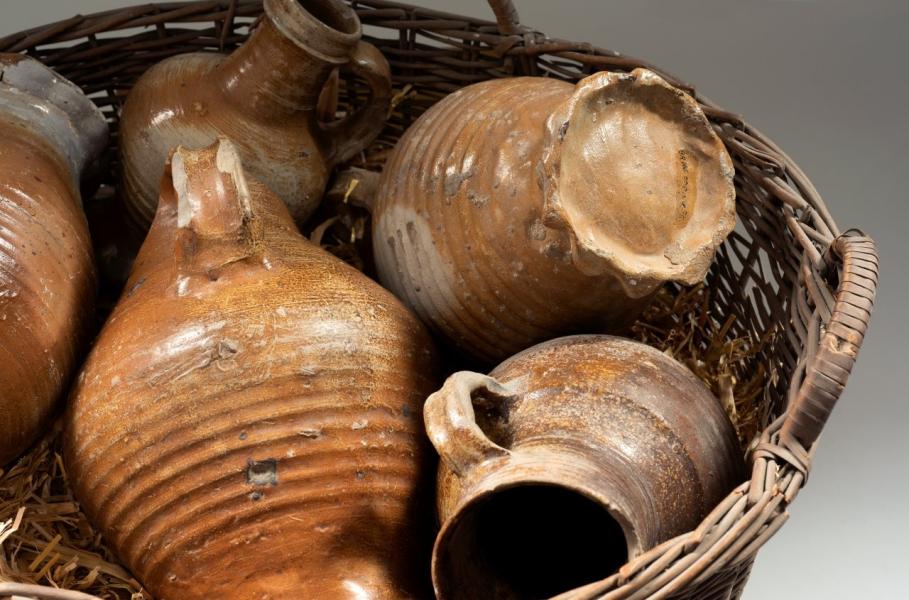
Jugs, Brussels, 16th century
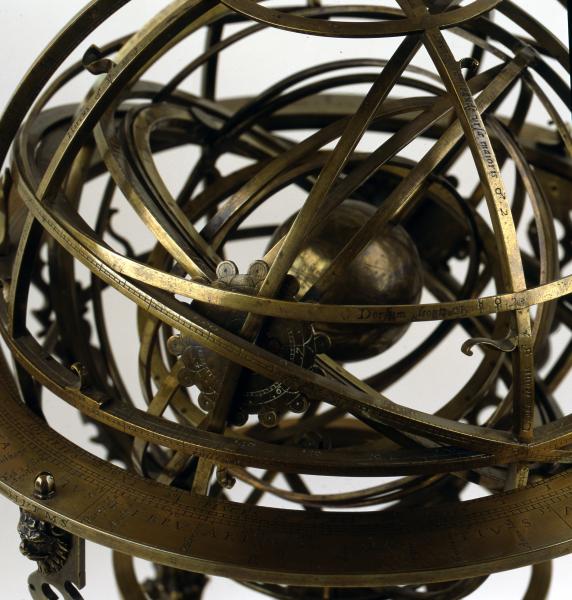
Armillary sphere, Gauthier Arscenius, 1575, Leuven